History of Fucoidan

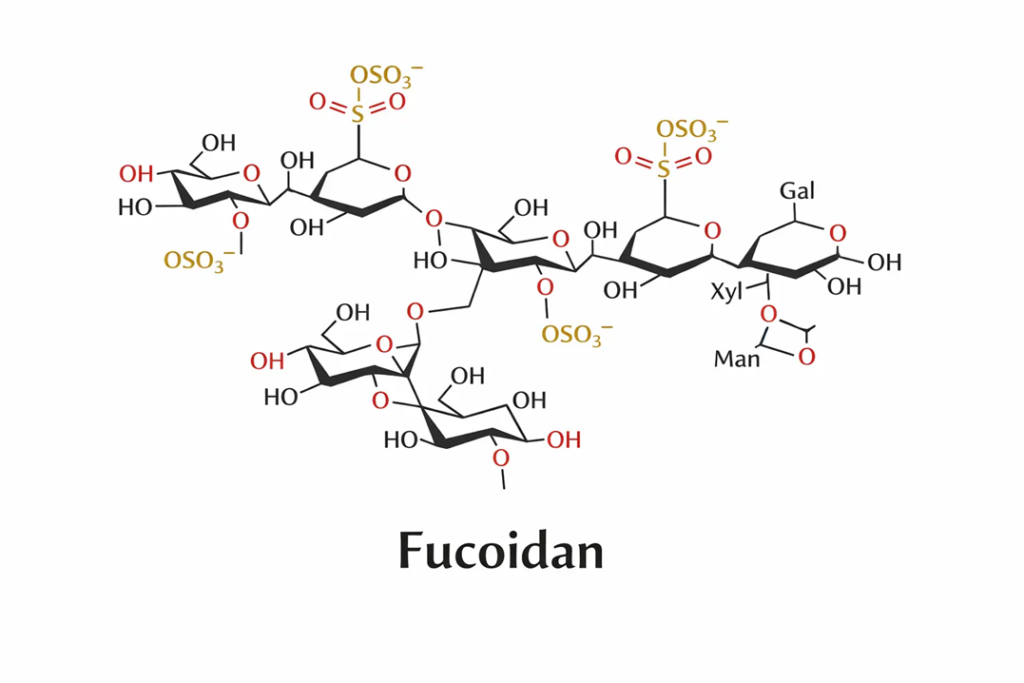
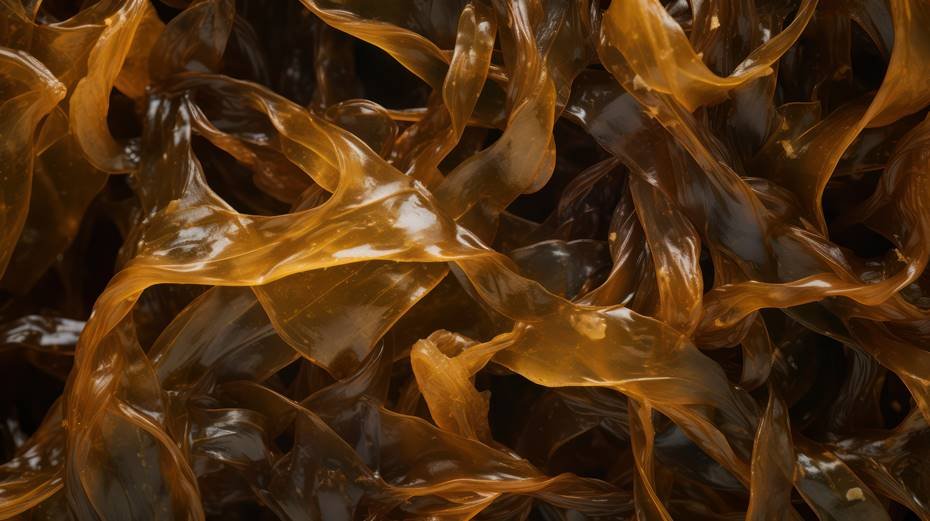
Fucoidan is a naturally occurring sulfated polysaccharide found primarily in brown seaweeds such as Mozuku (Cladosiphon okamuranus), Mekabu (wakame; Undaria pinnatifida), Bladderwreck (Fucus vesiculosus). Its history spans traditional food use, early chemical discovery, and modern biomedical research.

Traditional Use Before Scientific Identification

  • Long before Fucoidan was chemically identified, coastal cultures in East Asia and Northern Europe consumed brown seaweed for nutrition and medicine.
  • In Japan, brown seaweeds like Mozuku and another species known as Kombu were used in soups, broths, and folk remedies for centuries.
  • In China and Korea, brown seaweeds were part of traditional diets associated with longevity and recovery from illness.
  • In parts of Ireland and Scotland, seaweed preparations were historically used for wound care and nutrition.

At that time, people did not know about Fucoidan specifically; they were using whole seaweed.

Discovery and Naming (early 20th century)

  • Fucoidan was first isolated and described in the early 1900s.
  • In 1913, Swedish chemist Harald Kylin identified a sulfated polysaccharide from brown seaweeds and called it “Fucoidin.”
  • The name came from “fucose,” a sugar molecule abundant in the compound.
  • Later, scientists refined the terminology, and “FUCOIDAN” became the preferred spelling.

Early Research Focused Mainly On:

  • Chemical composition
  • Extraction methods
  • Structural differences among seaweed species

Researchers Discovered that Fucoidan Structures Vary Widely Depending on:

  • Seaweed species
  • Harvest season
  • Water temperature
  • Extraction technique

Mid-20th Century: Expanding Biochemical Research

  • From the 1950s through the 1980s, advances in carbohydrate chemistry allowed scientists to better characterize Fucoidan.
  • Scientists learned that Fucoidan:
  • Contains large amounts of L-fucose and sulfate groups
  • Has highly variable branching structures
  • Acts differently depending on molecular weight and purity
  • This period established Fucoidan as an important marine biopolymer rather than just a seaweed extract.

L-Fucose

Modern Biomedical Interest (1990s–Present)

  • Interest in Fucoidan expanded rapidly beginning in the 1990s due to studies suggesting possible biological activities.
  • Research areas include:
    • Immune system modulation
    • Antioxidant activity
    • Anticoagulant effects
    • Antiviral properties
    • Inflammation pathways
    • Potential anticancer mechanisms
  • Laboratory, animal studies and human clinical evidence have produced many promising findings.
  • Today, Fucoidan is studied in fields such as:
    • Marine Biology
    • Biochemistry

Fucoidan AI Assistant

Hello! I am Fucoidan AI. I provide research-backed info on Fucoidan studies. How can I help you today?
AI is thinking...
Engineered by Syed Ahmar Ali

Disclaimer

The information provided on this website is for educational and informational purposes only and is not intended as medical advice. Fucoidan Research does not diagnose, treat, cure, or prevent any disease. Always consult with a qualified healthcare professional before beginning any new supplement regimen, especially if you are currently undergoing medical treatment.

Disclaimer

The information provided on this website is for educational and informational purposes only and is not intended as medical advice. Fucoidan Research does not diagnose, treat, cure, or prevent any disease. Always consult with a qualified healthcare professional before beginning any new supplement regimen, especially if you are currently undergoing medical treatment.