
History of Fucoidan
Dosage and Usage Guidelines
Fucoidan is a naturally occurring sulfated polysaccharide found primarily in brown seaweeds such as Mozuku (Cladosiphon okamuranus), Mekabu (wakame; Undaria pinnatifida), Bladderwreck (Fucus vesiculosus). Its history spans traditional food use, early chemical discovery, and modern biomedical research.
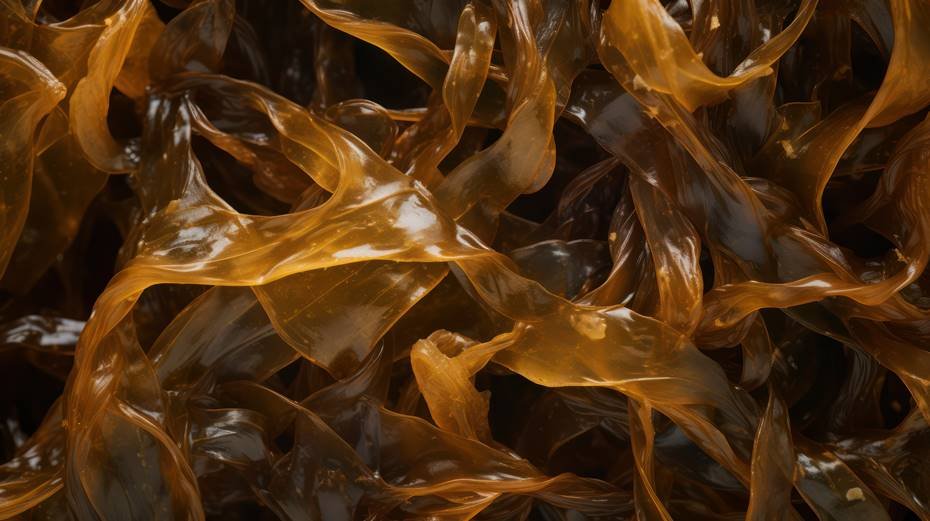

- Long before Fucoidan was chemically identified, coastal cultures in East Asia and Northern Europe consumed brown seaweed for nutrition and medicine.
- Long before Fucoidan was chemically identified, coastal cultures in East Asia and Northern Europe consumed brown seaweed for nutrition and medicine.
- In Japan, brown seaweeds like Mozuku and another species known as Kombu were used in soups, broths, and folk remedies for centuries.
- In China and Korea, brown seaweeds were part of traditional diets associated with longevity and recovery from illness.
- In parts of Ireland and Scotland, seaweed preparations were historically used for wound care and nutrition.
Traditional use
At that time, people did not know about Fucoidan specifically; they were using whole seaweed.
Discovery and Naming (early 20th century)
- Fucoidan was first isolated and described in the early 1900s.
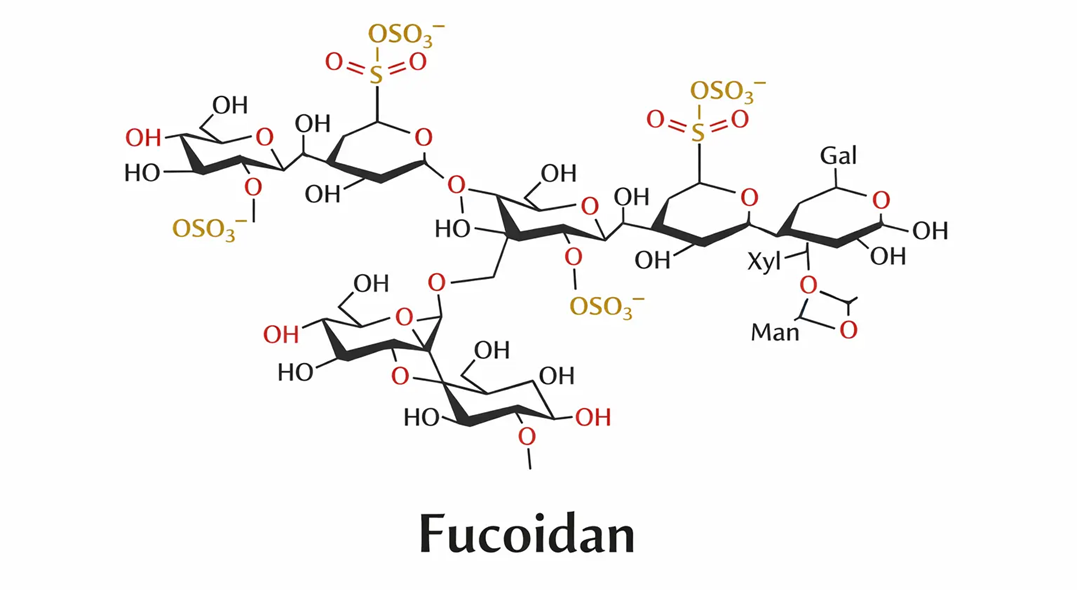
- In 1913, Swedish chemist Harald Kylin identified a sulfated polysaccharide from brown seaweeds and called it “Fucoidin.”
- The name came from “fucose,” a sugar molecule abundant in the compound.
- Later, scientists refined the terminology, and “FUCOIDAN” became the preferred spelling.

Early Research Focused Mainly On:
- Chemical composition
- Extraction methods
- Structural differences among seaweed species
Researchers Discovered that Fucoidan Structures Vary Widely Depending on:
- Seaweed species
- Harvest season
- Water temperature
- Extraction technique

L-Fucose
Mid-20th Century: Expanding Biochemical Research
- From the 1950s through the 1980s, advances in carbohydrate chemistry allowed scientists to better characterize Fucoidan.
- Scientists learned that Fucoidan:
- Contains large amounts of L-fucose and sulfate groups
- Has highly variable branching structures
- Acts differently depending on molecular weight and purity
- This period established Fucoidan as an important marine biopolymer rather than just a seaweed extract.
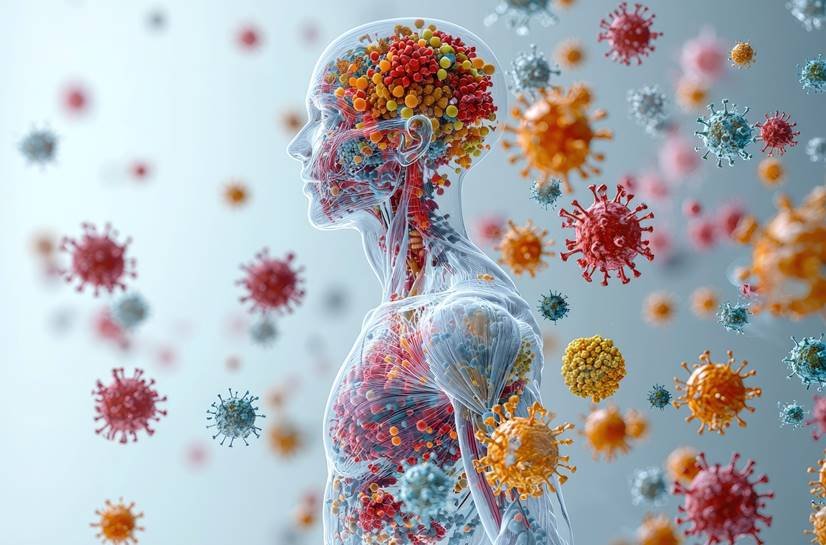
Interest in Fucoidan expanded rapidly beginning in the 1990s due to studies suggesting possible biological activities.
Modern Biomedical Interest (1990s–Present)
Research areas include:
- Immune system modulation
- Antioxidant activity
- Anticoagulant effects
- Antiviral properties
- Inflammation pathways
- Potential anticancer mechanisms
Laboratory, animal studies and human clinical evidence have produced many promising findings.

