As per clinical references from PubMed and other authoritative sources, Fucoidan has demonstrated significant potential in supportive oncology. Research indicates its role in inducing apoptosis (programmed cell death) in various cancer cell lines without affecting healthy cells.
We envision a future where integrative oncology and metabolic therapies fully utilize the potential of marine bioactive compounds to improve patient outcomes globally.
DISCLAIMER
The information provided on this website is for educational and informational purposes only and is not intended as medical advice. Fucoidan Research does not diagnose, treat, cure, or prevent any disease. Always consult with a qualified healthcare professional before beginning any new supplement regimen, especially if you are currently undergoing medical treatment.
Fucoidan Benefits
Exploring the Science-Backed Therapeutic Advantages of High-Purity Fucoidan
Fucoidan is a sulfated polysaccharide found primarily in brown seaweeds like Undaria pinnatifida (Mekabu), Fucus vesiculosus (bladderwrack), and Cladosiphon okamuranus (Mozuku). Research indicates it has several notable effects on immune function.
Key Immune-Modulating Effects
Dendritic Cell Activation
Fucoidan promotes the maturation and migration of dendritic cells (DCs), which are critical for initiating adaptive immune responses. It enhances the expression of surface molecules (CD40, CD86, MHC I/II) and stimulates cytokine secretion, improving antigen presentation to T cells.
T Cell and NK Cell Stimulation
Fucoidan activates both T lymphocytes and natural killer (NK) cells:
T cells — Fucoidan from M. pyrifera induces strong proliferation and activation of CD4+ and CD8+ T cells, supporting both helper and cytotoxic immune functions.
NK cells — It enhances NK cell cytotoxic activity, which is important for eliminating virus-infected and tumor cells.
Gut and Digestive Support
Anti-Inflammatory Mechanisms
Fucoidan’s anti-inflammatory effects appear to work through several pathways:
NF-κB pathway attenuation — Reduces activation of this key inflammatory signaling cascade
MAPK signaling modulation — Influences p38, ERK, and JNK pathways involved in inflammatory mediator production
Inhibition of leukocyte adhesion and invasion — May limit excessive immune cell infiltration into tissues
“These mechanisms make fucoidan potentially relevant for conditions involving chronic inflammation.”
Cytokine Regulation
Fucoidan influences cytokine production in nuanced ways:
After high-intensity exercise, Fucoidan supplementation was associated with elevated IL-6 and IL-10 at 30 minutes post-exercise, suggesting a modulated inflammatory and anti-inflammatory response.
In chronic inflammation contexts, some fucoidans have been shown to reduce pro-inflammatory markers like IL-1β and TNF-α.
Neutrophil Survival and Function
Fucoidan delays spontaneous apoptosis of neutrophils—the first responders in infection—and promotes their production of pro-inflammatory cytokines (IL-6, IL-8, TNF-α), which can be beneficial for mounting an acute immune response.
Prebiotic and Gut Immune Effects
Recent research has validated fucoidan as a prebiotic under the International Probiotics Association’s criteria. It:
Enhances gut microbial diversity: Promotes beneficial bacteria and short-chain fatty acid production (especially butyrate). May support gut-associated immune function through microbiome modulation.
Vaccine Adjuvant Potential
Fucoidan has shown promise as an immune adjuvant. In elderly subjects, a 4-week course of fucoidan prior to influenza vaccination improved and sustained antibody responses for up to 20 weeks post-vaccination, suggesting it may enhance vaccine efficacy.
Gut and Digestive Support
Mechanism
Apoptosis induction
Anti-angiogenesis
Anti-metastasis
Immune enhancement
Description
Triggers programmed cell death in cancer cells
Inhibits blood vessel formation that feeds tumors
Blocks cancer cell adhesion to platelets and vascular walls
Activates NK cells and cytotoxic T cells
against tumor cells
Studies have examined effects on breast, colon, liver, lung, and prostate cancer cell lines. Clinical research is still in early stages, with some trials exploring fucoidan as a complementary therapy alongside conventional treatment.
Anti-inflammatory Properties
Fucoidan’s anti-inflammatory effects appear to work through several pathways:
NF-κB pathway attenuation
Reduces activation of this key inflammatory signaling cascade
MAPK signaling modulation
Influences p38, ERK, and JNK pathways involved in inflammatory mediator production
Inhibition of leukocyte adhesion and invasion
May limit excessive immune cell infiltration into tissues
Gut and Digestive Support
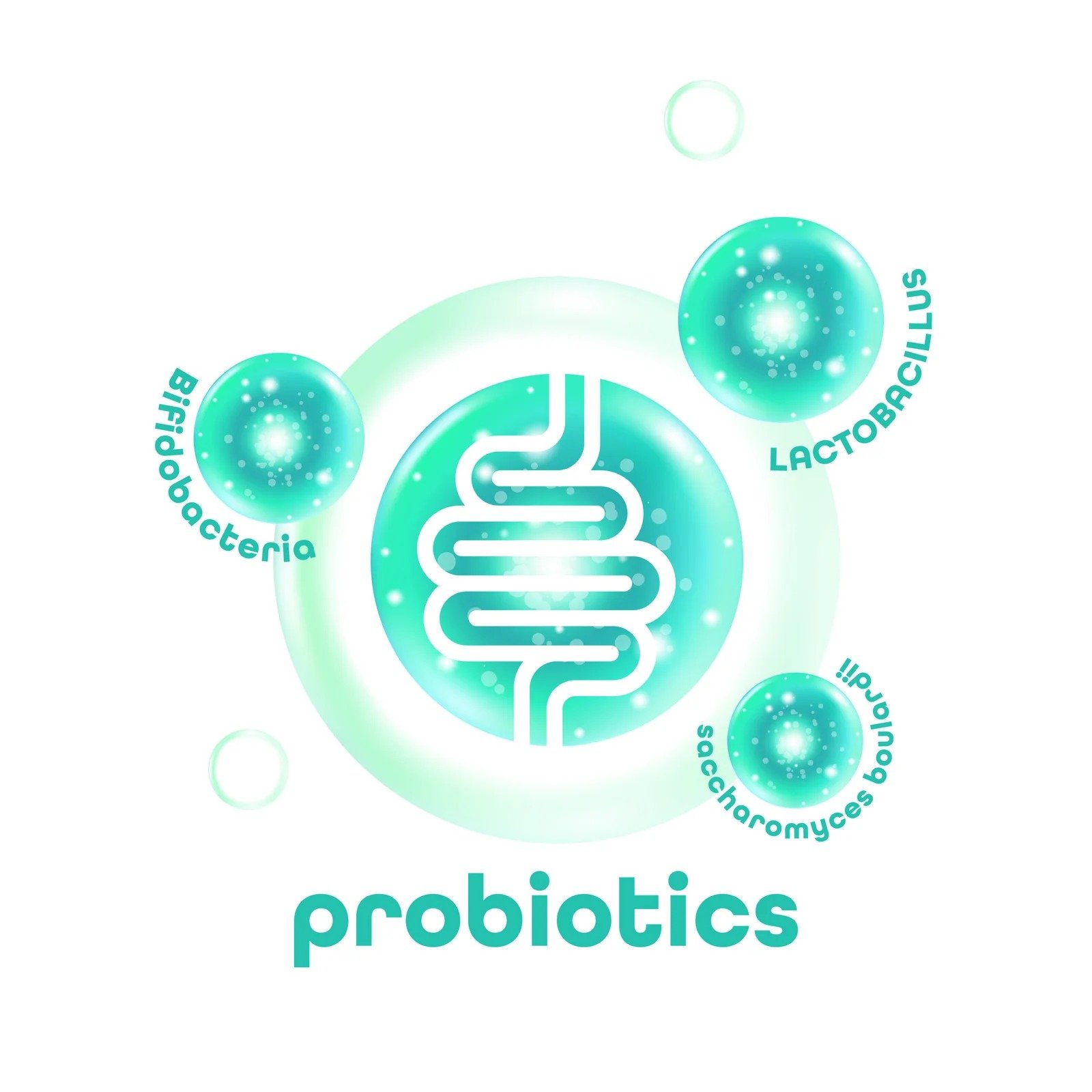
Prebiotic Effects
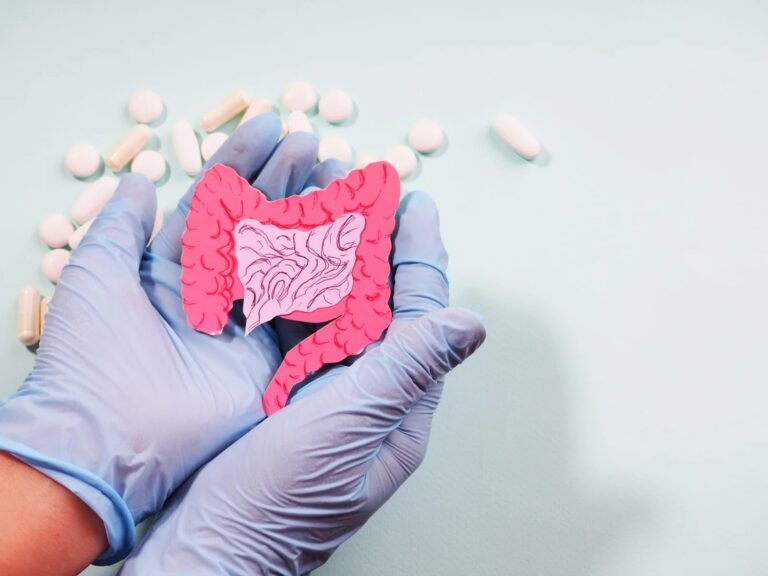
Fucoidan functions as a prebiotic fiber:
Promotes growth of beneficial bacteria (Bifidobacteria, Lactobacilli)
The information provided on this website is for educational and informational purposes only and is not intended as medical advice. Fucoidan Research does not diagnose, treat, cure, or prevent any disease. Always consult with a qualified healthcare professional before beginning any new supplement regimen, especially if you are currently undergoing medical treatment.